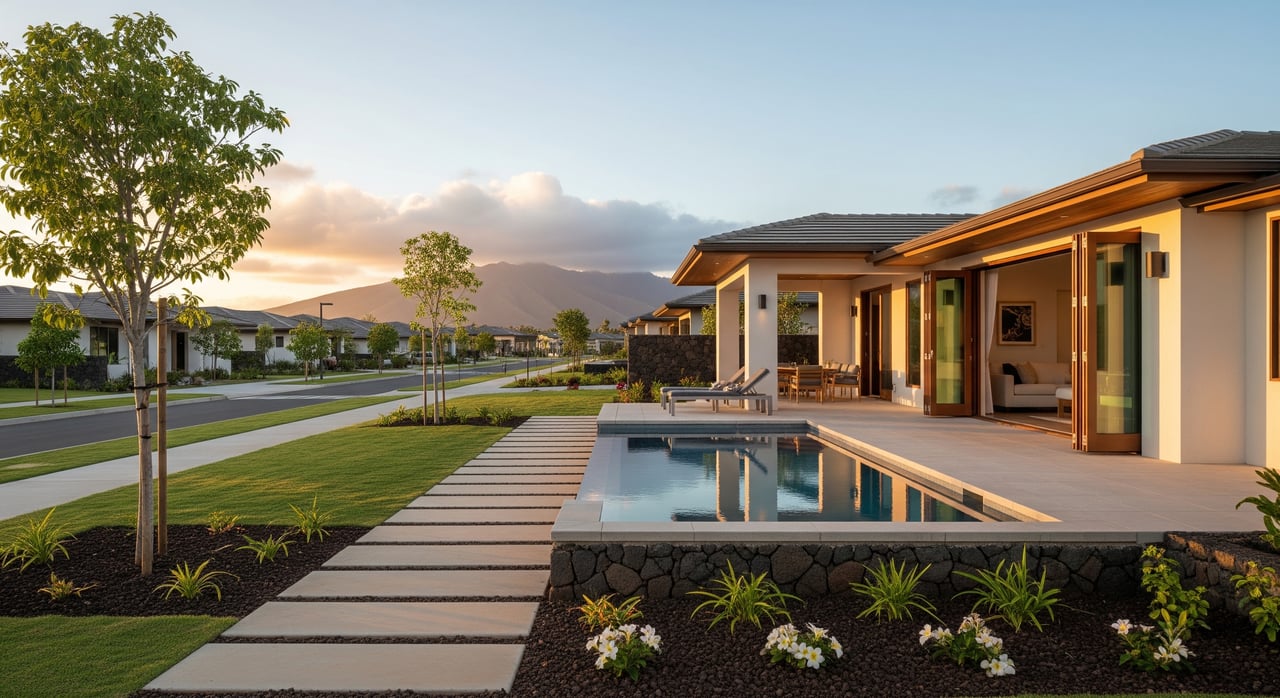
Everyday Living In Kapolei’s Master-Planned Communities
February 5, 2026
February 5, 2026
Thinking about moving west on Oʻahu and wondering what everyday life in Kapolei really feels like? You want more space, reliable amenities, and a manageable commute without giving up beach time or family-friendly parks. In this guide, you’ll get a clear picture of Kapolei’s master-planned lifestyle so you can decide if it fits your routine and priorities. You’ll learn how the city’s layout shapes your day, where you’ll shop and play, what to expect from HOAs, and how commuting works. Let’s dive in.
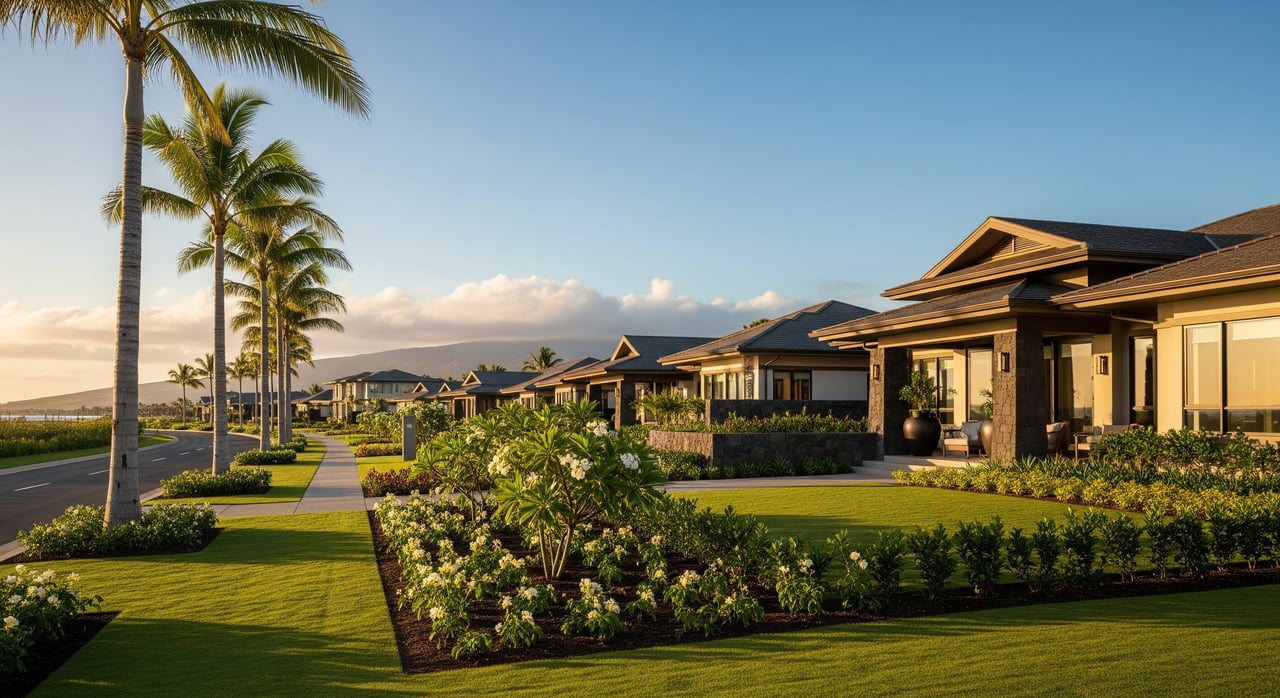
Kapolei is often called Oʻahu’s “second city,” planned to bring jobs, housing, and services to the island’s west side. The design centers on newer neighborhoods, mixed-use hubs, and civic spaces that encourage a convenient, suburban lifestyle. If you are used to urban Honolulu, you’ll notice wider roads, larger subdivisions, and shopping clustered into accessible nodes.
City plans set this framework, and you can explore the background in the City and County’s planning materials through the Department of Planning and Permitting. For context on the planning vision and growth history, review the City’s resources on the Department of Planning and Permitting site.
What this means for your day: errands are efficient, parks and schools are woven into neighborhoods, and most homes come with parking. You get a suburban pace with modern infrastructure, while still being a short drive to beaches and resort amenities.
Ka Makana Aliʻi is the major retail anchor for West Oʻahu, with a mix of national brands, local shops, services, and regular events. It’s where many residents go for one-stop errands, dining, and seasonal activities. Explore the tenant mix and event calendar on the Ka Makana Aliʻi site.
You will also find big-box stores and neighborhood centers spread across Kapolei for everyday needs. Specialty groceries or niche items may still require trips to larger retail clusters on the island.
You’ll see a blend of familiar chains near the mall and local eateries across Kapolei, with plate lunch, Asian and Pacific Island flavors, and food trucks in the mix. The vibe is relaxed and family friendly, with options that work well for quick weeknight meals.
Kapolei’s master-planned layout includes many neighborhood parks plus Kapolei Regional Park, which supports sports leagues, playgrounds, and open fields. For beach days, the Ko Olina lagoons are an easy drive for swimming and sunset picnics. If you like short hikes and scenic overlooks, the Makakilo ridgeline areas offer quick outings close to home.
Public schools in Kapolei are part of the Hawaii State Department of Education’s Leeward District. Newer communities typically include nearby school sites designed to serve growing neighborhoods. Because school zoning and capacities can change, verify current assignments and enrollment with the Hawaii Department of Education. You will also find private preschools and childcare centers across the area.
The Queen’s Medical Center – West Oʻahu is a key resource for residents who prefer hospital-level care without driving to central Honolulu. The campus provides emergency services and a range of specialties, supported by nearby urgent care and clinics. Learn more about services at Queen’s West Oʻahu.
Kapolei’s housing leans newer, with single-family subdivisions, townhouse communities, and modern condo complexes built mostly since the 1990s. Adjacent master-planned areas, including ongoing projects in Ewa and Makakilo, continue to add a variety of homes and community amenities. If you want more square footage, yards, and parking compared with older urban neighborhoods, you will likely find options here.
Many master-planned neighborhoods include homeowners associations. Fees vary by community. Some cover basic landscaping and common-area upkeep, while others add amenities like pools, security, and community centers. Before you commit, make time to review:
A careful review helps you understand long-term costs and whether the community’s standards match your lifestyle.
Hawaii’s overall cost of living is high compared with the mainland. Kapolei can offer newer homes and different price points than central Honolulu, but total housing costs still reflect Oʻahu’s market. For a balanced view, pair your home search with a budget that includes mortgage, taxes, HOA fees, utilities, commute costs, and maintenance. For a data baseline on income and housing characteristics, consult the U.S. Census Bureau QuickFacts for Kapolei CDP.
If you work in downtown Honolulu, your main route is the H‑1 Freeway. Peak travel windows can be busy, and the time it takes depends on when you leave and traffic conditions. Many residents plan flexible schedules, carpool, or combine errands during off-peak hours. For a high-level sense of commute times and modes, you can review American Community Survey data via U.S. Census QuickFacts.
TheBus provides service connecting Kapolei to the rest of Oʻahu, including routes to downtown. Service levels and schedules change, so check current timetables when you plan your commute. In addition, the Honolulu rail project, Skyline, is designed to connect West Oʻahu with the urban core, with East Kapolei planned as the western terminus. For current maps, station status, and phase openings, monitor updates from the Honolulu Authority for Rapid Transportation.
When you fly interisland or to the mainland, you will drive to Daniel K. Inouye International Airport in Honolulu. Plan extra time for traffic, especially during commute periods or holidays. For terminal maps, parking, and flight info, visit HNL’s official site.
Hawaiian Electric provides power on Oʻahu. Internet service commonly includes cable or fiber options in many subdivisions, though speeds and availability vary by street and building. Confirm utility costs, solar potential, and broadband speeds for any property you are considering. If you work from home, test cell signal and ask providers about upgrade plans in the area.
Parts of the Leeward coast and low-lying areas face flooding and coastal hazards. Elevation, drainage, and distance from the shoreline matter for both risk and insurance. Before you write an offer, it is smart to:
Hurricane and tropical storm season runs from June to November most years, and local building standards reflect that risk. If you are evaluating a home with older windows or roofing, factor in upgrades to shutters, impact protection, or roofing as part of your long-term plan.
Kapolei is suburban in character, and safety conditions can vary by block. For current statistics and programs like Neighborhood Watch, consult the Honolulu Police Department. As you tour properties, visit at different times of day, talk to neighbors, and review any HOA security measures to ensure the environment fits your comfort level.
Property tax rules and assessments are administered by the City and County of Honolulu. If you plan renovations, you will need to follow county permitting processes. Reviewing past permits and approvals can help you understand whether additions or conversions were legal and properly inspected.
If you want newer homes, parks woven into the neighborhood fabric, and everyday errands within a short drive, Kapolei’s master-planned communities deliver a predictable, family-friendly rhythm. You will trade some urban-nightlife choices for beach sunsets at Ko Olina, sports at community parks, and more living space. Commuting is the main variable, so test-drive your route at your likely departure times and keep an eye on the rail’s progress.
If you are buying, you can lean on a local advisor to evaluate HOA rules, future development, and renovation potential that fits your budget. If you are selling, thoughtful pre-list improvements can make your home stand out in a neighborhood known for similar floor plans and finishes.
Ready to compare neighborhoods, understand HOA fine print, or map out a renovation plan that maximizes value? Reach out to Jeremy Cheng for a local, construction-savvy approach that helps you buy or sell with confidence.
Stay up to date on the latest real estate trends.
Etiam non quam lacus suspendisse faucibus interdum. Orci ac auctor augue mauris augue neque. Bibendum at varius vel pharetra. Viverra orci sagittis eu volutpat.